
Sukkot: The Festive Symbolism of the Four Species
Sukkot is one of the most joyful holidays in the Jewish calendar. It is known as the Feast of Tabernacles, as Jews build a sukkah — a temporary dwelling that reminds of the wanderings through the desert after the exodus from Egypt. But an equally important part of the tradition is arba minim, “four species of plants,” which Jews bind together and bless during the seven days of the holiday.
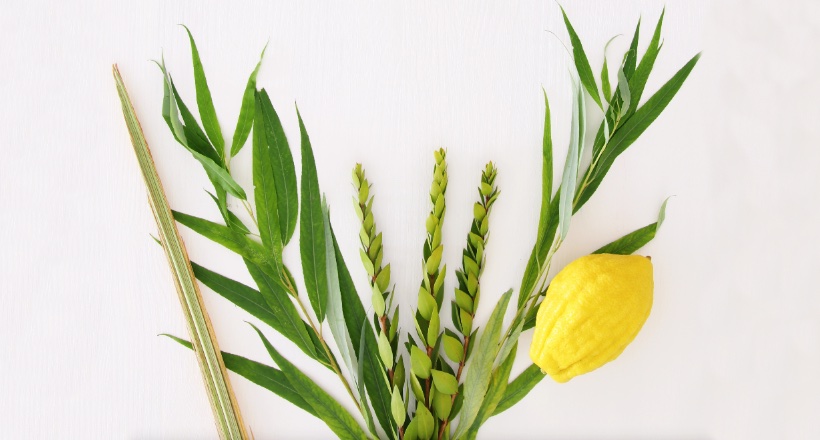
These four plants — lulav (date palm branch), hadass (myrtle branches), arava (willow branches), and etrog (citron fruit) — symbolize the unity of the people of Israel.
Each species is associated with its own qualities: scent and taste — as symbols of knowledge and good deeds.
The etrog has both taste and scent — like a person who combines wisdom and actions.
The palm provides taste but no scent — knowledge without good deeds.
Myrtle is fragrant but tasteless — good deeds without knowledge.
And the willow lacks both taste and scent — like one who has yet to succeed in either study or deeds.
By binding them together, we express the idea of unity and mutual support: only together do all parts of the nation form a whole.
Thus, the four plants become a symbol of solidarity, interconnectedness, and spiritual community — the foundations upon which Israel stands.